New England households and rural families
Here the brand is furniture rather than fashion. Bean boots, flannel shirts and a windproof shell are simply what people wear from November through March, bought once and replaced when they finally give out.
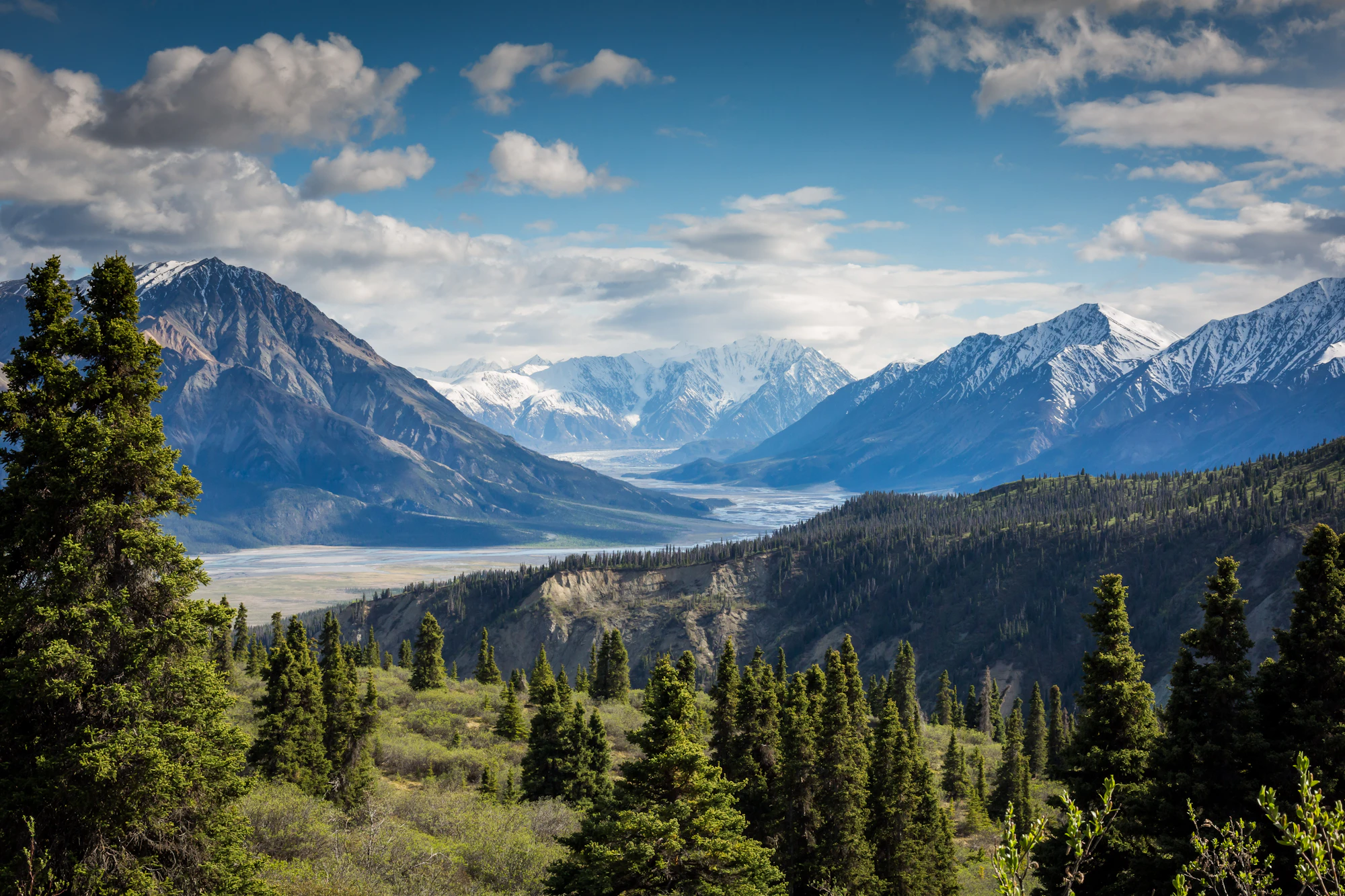
Brand Study · Field Notes
Most outdoor labels sell performance. L.L.Bean sells time — gear quiet enough to disappear into a routine and sturdy enough to survive it. What follows is an honest look at what the brand gets right, who it actually suits, and where it stands against the names it is usually compared with.
In 1912, a hunter in Freeport, Maine made a simple calculation: a boot that kept his feet dry in wet woods would sell itself better than any advertisement could. The boot he produced — rubber bottom, leather upper, unhurried construction — is still in the catalogue, still under the same name, still made to roughly the same brief.
More than a century later the company is still named after his initials, still based in the same town, and still organised around the same instinct: build one simple thing properly, then leave it alone. That single decision explains why its boots, flannel shirts and canvas totes tend to stay in a wardrobe for years while more fashionable alternatives last a season or two.
It is not a brand built on novelty, and it does not pretend otherwise. What it offers instead is predictability — sizing that stays put, materials that behave, and a service culture that has been shaped by the same promise since the first year of trading.
Why it keeps coming up
None of these are secrets, and none of them are marketing inventions. They are the practical reasons a customer who bought one item usually comes back for a second.
The signature pieces barely change because they do not need to. A six-inch hunting boot, a chamois shirt, a waxed field coat — these are functional objects, and a redesign would mostly make them worse. The upside for a buyer is that a purchase made this year will still look current in five.
A satisfaction policy has been part of the company since its first year of trading. The rules have been tightened over time — most items now carry a window and a receipt requirement — but the underlying attitude still shapes how people buy: they order the two sizes and decide later.
Core products land in the mid-range. You pay for materials and construction, but you are not paying the premium attached to technical alpine equipment. For a household buying three or four items a season, that gap compounds quickly.
Classic cuts, wide boot lasts and a size run that extends well past the middle of the chart. For a large share of shoppers this matters more than any fabric specification, and it is one of the quieter reasons the brand holds on to customers.
The Freeport flagship stays open around the clock, every day of the year — a detail that says more about the company than most of its advertising. Phone and online support are still staffed by people who can look up an order and make a decision. Unremarkable, and increasingly rare.
Flannels, slippers, bedding, dog beds, canvas totes. The catalogue reaches from trail gear into ordinary domestic life, which is why so many customers describe the brand as somewhere they buy for the house rather than for a hobby.

The customer base
The audience skews older than the outdoor category average, and considerably more practical in what it asks of a garment. These are the clusters that keep the business steady.
Here the brand is furniture rather than fashion. Bean boots, flannel shirts and a windproof shell are simply what people wear from November through March, bought once and replaced when they finally give out.
The hunting boot and the canvas tote became a de facto uniform on many campuses — adopted by students rather than pushed at them. It is the one demographic the brand never had to chase, and it renews itself every autumn.
They want clothing that works without being studied: a jacket for the trailhead, a layer for the boat, something that handles a cold morning without a briefing. Performance matters, but only up to the point where it becomes a hobby in itself.
Children's outerwear, snow boots, pyjamas and bedding — predictable seasonal purchases that repeat every year. Gift buying is a meaningful share of the business and one of the reasons the catalogue still exists.
Where the sales happen
Unlike most of its competitors, L.L.Bean has never depended on wholesale partners for volume. Sales arrive mainly through its own catalogue, website and stores, which is why the brand has kept control of pricing and presentation for so long.
Figures are an approximate structure drawn from public reporting and industry commentary, presented to show channel shape rather than audited results. Annual revenue sits in the low billions of US dollars, with roughly fifty stores concentrated in the Northeast plus a small international wholesale presence. On third-party marketplaces, counterfeit and grey-market listings of the hunting boot and the canvas tote are common — official channels remain the safer route for anything you intend to keep for years.
Where it earns its place
Very little of the brand's appeal is written on the product. It shows up in use — in weather, in repetition, in the fact that nobody has to think about it twice.

Sturdy, unbothered and easy to layer. The point is a kit that handles a damp morning and a warm afternoon without a change of clothes.
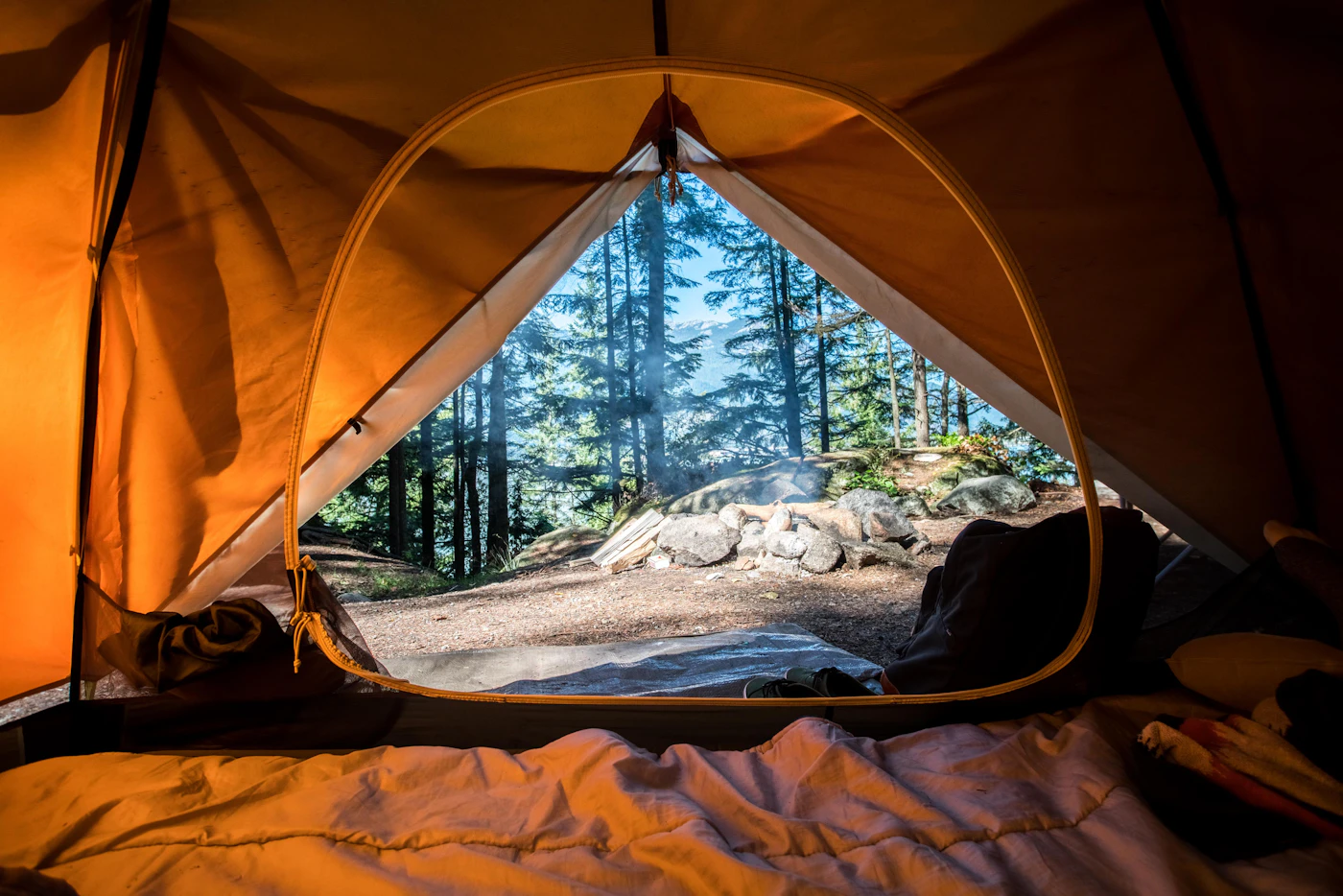
Wood smoke, cold water, a dog that will find the mud regardless. Fabric that tolerates dirt and dries overnight is worth more here than any technical claim.

School run, dog walk, hardware store, groceries. This is where the brand is worn most — no camera, no occasion, just repetition over several winters.

A shell that shrugs off spray, quick-drying layers and the canvas tote that has carried lunches, towels and bait for decades without complaint.
The comparison
These brands overlap in category but rarely in customer. Read the table by audience first — the differences in price and product follow from who each label is actually speaking to.
| Brand | Core audience | Style direction | Typical price band | Where it stands out | What to weigh up |
|---|---|---|---|---|---|
| L.L.Bean | Practical households, weekend outdoor adults, Northeast towns | Classic, restrained, slow to change | Mid-range | Durability of the classics, wide fit range, relaxed service attitude | Limited appeal if you want technical extremes or street recognition |
| Patagonia | Environmentally minded outdoor users, often younger and urban | Technical with a mission attached | Upper mid to high | Serious fabrics, strong environmental record, real alpine credibility | Higher prices, fewer everyday basics in the range |
| The North Face | Young commuters, campuses, streetwear crossover | Performance and fashion in parallel | Mid to upper mid | Huge range, high recognition, frequent collaborations | Popular styles are everywhere, which flattens how distinctive they feel |
| Eddie Bauer | Family shoppers close in profile to L.L.Bean's | Classic outdoor | Mid-range | Comparable pricing, well-regarded down and shell jackets | Fewer stores and less current brand momentum |
| Columbia | Broad family market, everyday wear | Practical, leaning casual | Entry to mid | Accessible pricing, widely stocked, easy to find in person | Legendary pieces and long-wear reputation are less established |
| Filson | Traditional heavy-duty outdoor users and heritage enthusiasts | Rugged, workwear-derived | Upper mid to high | Substantial materials, construction meant to outlast trends | Higher cost, narrower range, noticeably heavier garments |
| Uniqlo | Urban commuters, budget-conscious younger buyers | Basics and functional inner layers | Accessible | Very affordable, easy to layer, strong for travel | Lower durability and warmth tier — better as a supporting layer |
Patagonia asks you to care about how a jacket was made. L.L.Bean asks you to stop thinking about it. If supply-chain ethics and genuine alpine capability sit at the top of your list, Patagonia addresses that more directly — at a higher price and with fewer plain everyday pieces to choose from.
The North Face is more visible, more youthful and far more present in streetwear. That visibility is the trade-off: when a jacket is everywhere, it stops saying anything about the person wearing it. L.L.Bean stays quieter and, for many buyers, that is precisely the appeal.
Both are century-old American labels at similar prices, aimed at similar households. Eddie Bauer holds its own on down and outerwear; the difference is retail presence and current brand energy. Where L.L.Bean is easy to visit and easy to return to, Eddie Bauer asks more of an online shopper.
Columbia solves a budget problem well: broad availability, sensible prices, garments that do a job from day one. If you are equipping a family for a single winter, that logic is sound. L.L.Bean is pitched at the buyer who would rather purchase once and not revisit the decision for several years.
Filson works in a heavier register — thick tin cloth, dense wool, prices that assume permanence. It suits someone furnishing a wardrobe for a decade rather than a season. L.L.Bean covers similar territory with lighter fabrics, a broader range and a lower entry point.
This is less a rivalry than a division of labour. Uniqlo handles inner layers, travel basics and the everyday pieces you replace every couple of years. L.L.Bean handles the shell, the boot and the bag — the parts where durability actually decides whether a purchase was worth making.
The conclusion
If you want clothing you can stop managing — a jacket that survives a decade of winters, a boot that takes a resole instead of a replacement, a bag that carries groceries and firewood with equal indifference — L.L.Bean belongs on the shortlist. The price is reasonable for the lifespan, the sizing is forgiving, and the after-sale experience rarely becomes a fight.
If your priorities are cutting-edge materials, alpine-grade specification, or a logo that carries weight on a city street, the brand will feel conservative. That is not a flaw in the product so much as a clear statement of who it is for — and after more than a hundred years, the company has shown no interest in pretending otherwise.
“The opposite of fast fashion isn't slow fashion. It's a boot you stop thinking about.” Field note · Freeport, Maine